Beneath the Effusion: Uncovering a Hidden Gastric Crisis
Symptoms
A 10-year-old neutered male Miniature Schnauzer, presented with acute onset anorexia, loose stool, marked abdominal pain, and significant distension. These non-specific clinical signs indicated an acute abdominal crisis requiring immediate diagnostic evaluation to differentiate between primary gastrointestinal pathology, generalized inflammatory disease, or severe organ failure.
Visualisatoin
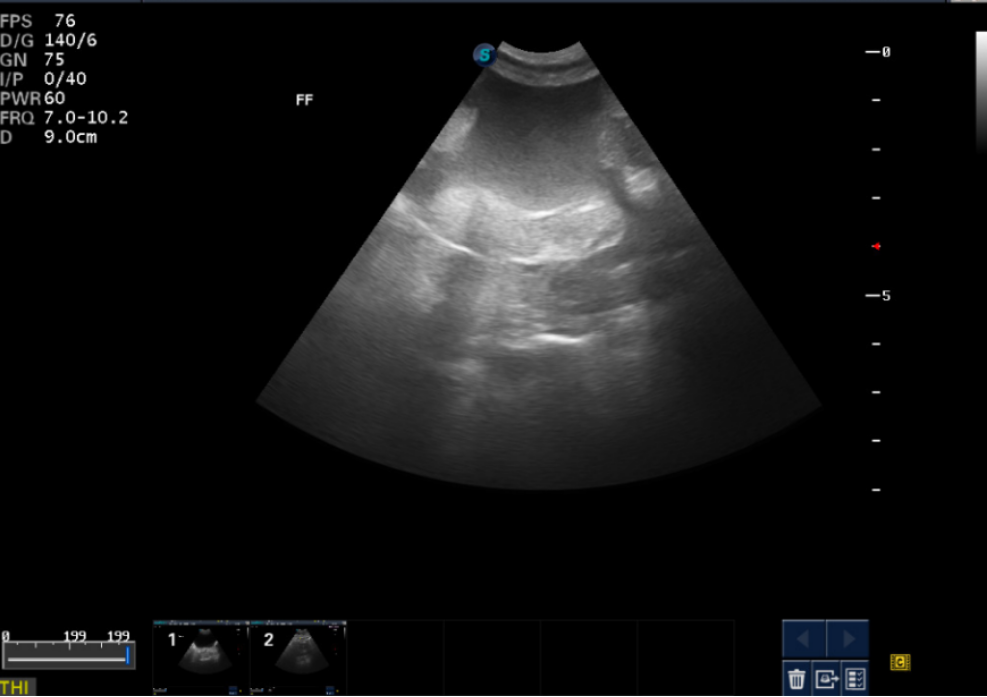
Transabdominal B-mode ultrasonography was performed using a high-frequency probe to thoroughly evaluate the peritoneal cavity and parenchymal organs.
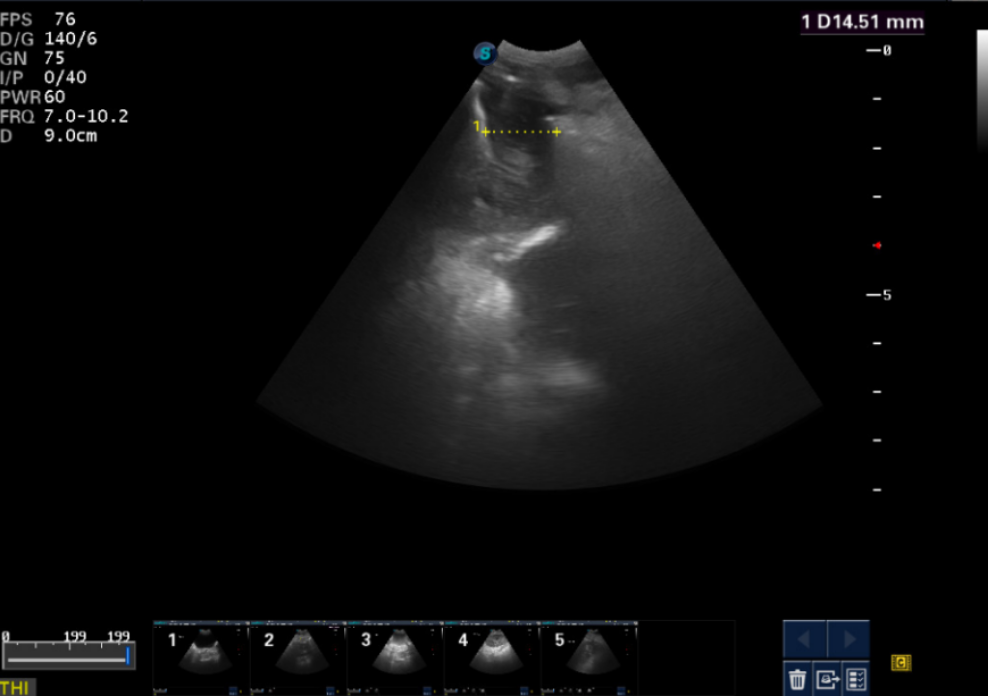
Gastric Pathology: Severe focal wall thickening (up to 1.5 cm) at the cardiac region with complete loss of normal wall layering, highly suspicious for gastric neoplasia or severe ulcerative disease leading to micro-perforation.
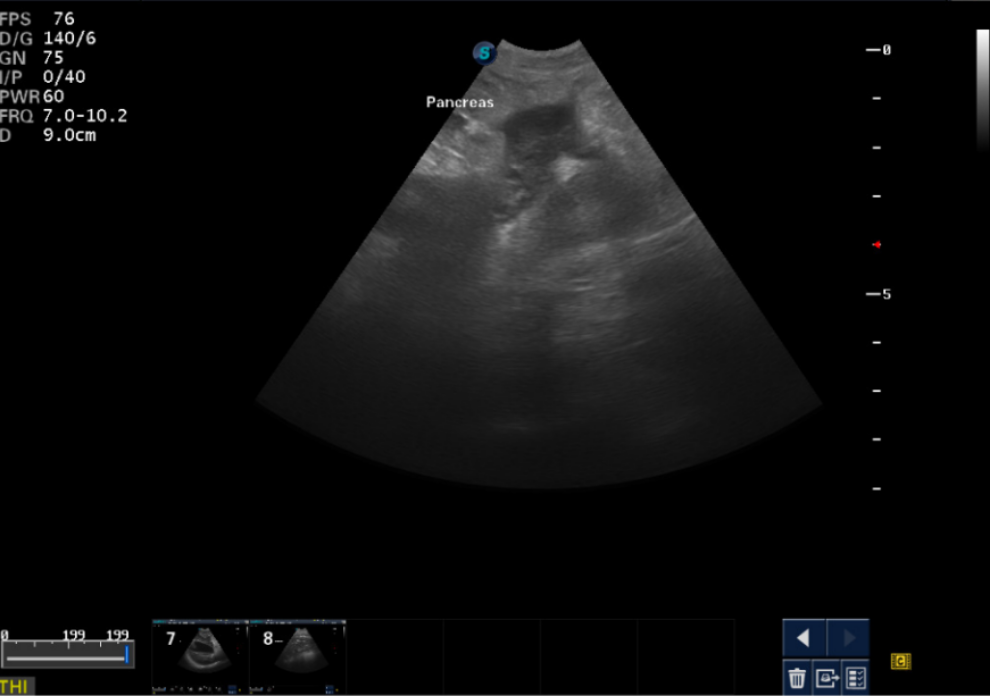
Biliary & Pancreatic Involvement: Diffuse severe pancreatitis affecting both pancreatic limbs, concurrent cholangiohepatitis, severe cholecystitis with abundant sludge, and intense peripancreatic mesenteric steatitis.
Immediate pre-operative stabilisation with aggressive IV fluid therapy, broad-spectrum IV antibiotics (covering gram-negative and anaerobic bacteria), and intravenous analgesia. Urgent exploratory laparotomy is essential to locate the source of septic peritonitis, perform full-thickness gastric biopsy or lesion excision, and consider cholecystocentesis or cholecystectomy. Fluid samples should be submitted for aerobic and anaerobic bacterial culture and sensitivity.
Important Lessons
Ultrasound is invaluable for unravelling multisystem abdominal crises where clinical signs overlap. Identifying free abdominal fluid should immediately prompt targeted abdominocentesis and cytology; discovering septic exudate transforms management from conservative care to an immediate surgical emergency. Systemic inflammatory signs like pancreatitis and cholecystitis often accompany or mask underlying GI perforations, underscoring the need for a systematic, complete abdominal scan.
About
"I dedicate my expertise to giving every pet the care they deserve."